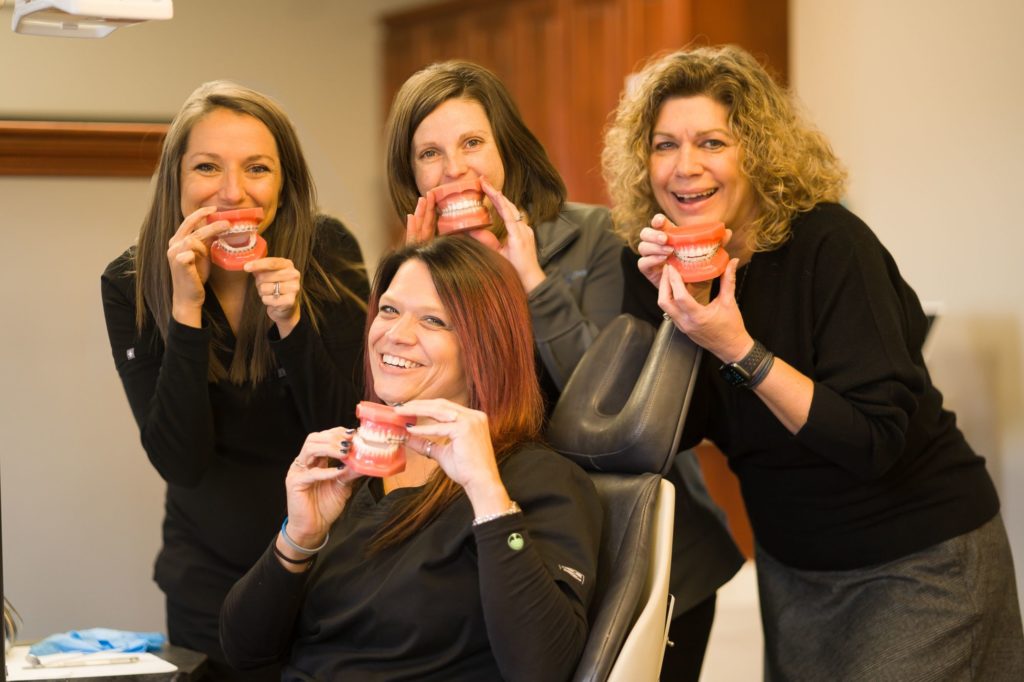
Thinking about straightening your teeth and want to understand the options first? This guide walks through how orthodontic treatment works, what shapes the cost, and how to tell if it is the right move for you or your child. Orthodontics is the dental specialty focused on straightening teeth and correcting bite problems. If you are dealing with crowding, gaps, or a misaligned bite, treatment can transform your smile and improve your oral health for years to come.
At Smiles to Love Orthodontics, orthodontists Dr. Luke Schweiss and Dr. Megan Jusseaume help you and your family achieve the smile of your dreams. Both doctors completed years of advanced training, including college, dental school, and specialized orthodontic residency. That’s the kind of expertise that makes a real difference in your results. If you are weighing orthodontic care for Dublin families, the sections below cover what to expect before you book a consult.
What Is Orthodontics?
Orthodontic treatment corrects teeth and jaw alignment issues that affect your bite, oral health, and smile appearance. At Smiles to Love Orthodontics, treatment addresses problems like crowding, spacing, overbites, underbites, and crossbites using appliances that apply gentle, consistent pressure to move teeth into proper position.
Why does alignment matter? Crooked or crowded teeth create tight spaces where plaque hides. Your toothbrush can’t reach those spots easily. Over time, this leads to cavities and gum problems.
Bite issues cause their own problems, including actual headaches. When your teeth don’t meet correctly, your jaw works harder than it should. This extra strain can cause jaw discomfort, uneven tooth wear, and tension headaches.
Modern orthodontics offers several treatment options:
- Metal braces use brackets and wires for precise tooth movement
- Clear braces feature tooth-colored brackets that blend with your smile
- Invisalign and Spark clear aligners offer a removable, nearly invisible option
How Does Orthodontic Treatment Work?
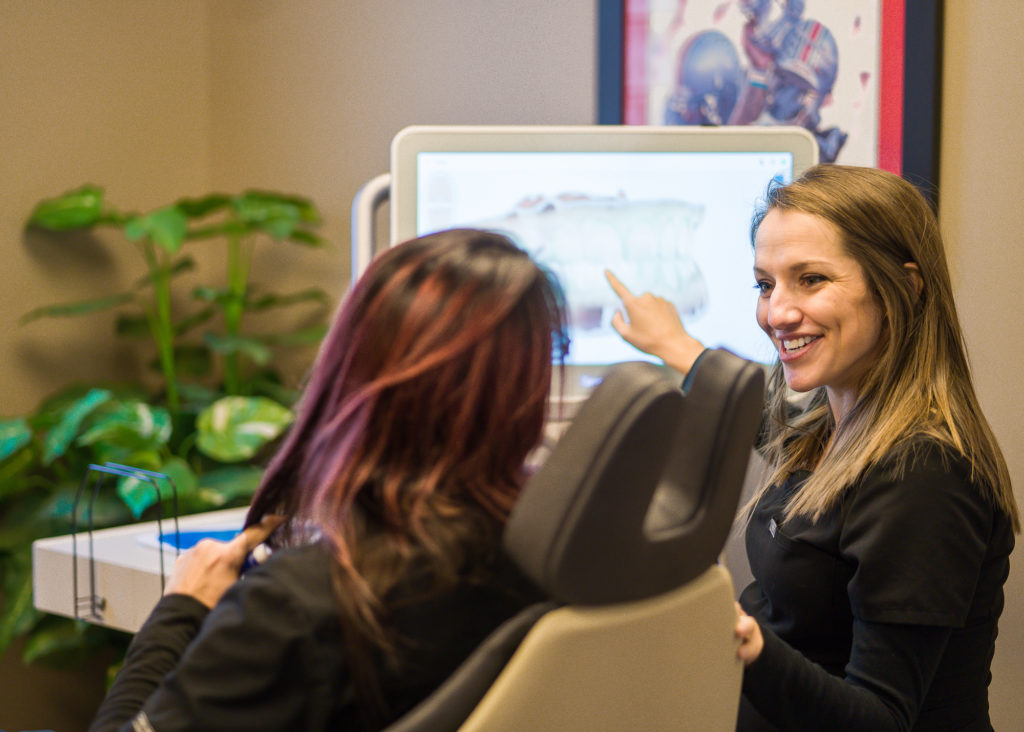
Treatment starts with a free consult where Dr. Schweiss or Dr. Jusseaume examines your teeth, takes digital scans, and captures X-rays. This gives the team a complete picture of your bite and helps spot issues you might not even notice.
From there, the doctors, drawing on years of specialty training in tooth movement and jaw development, create a custom treatment plan built around your specific goals. No two smiles are alike, so no two plans should be either.
With braces
Small brackets attach to your teeth. A wire connects them and applies gentle pressure. Every few weeks, the wire gets adjusted to guide your teeth toward their new positions. Through a process called remodeling, the bone around your tooth roots gradually reshapes to support each movement.
With Invisalign or Spark aligners
You wear a series of clear, custom trays. Each set moves your teeth a little bit more. You switch to a new set every one to two weeks and remove them for eating and brushing.
Either way, you’ll visit the office every four to eight weeks. These check-ins let the team track your progress and make adjustments as needed.
Once active treatment wraps up, retainers keep your teeth in place. Think of them as the final step that protects your investment.
What Are the Benefits of Orthodontic Treatment?
Straight teeth aren’t just about looks. A well-aligned smile is easier to keep clean, easier on your jaw, and easier to share with the world. Below are the practical, daily benefits that patients notice once treatment is complete, and why so many Dublin families consider it one of the best decisions they make for their health.
How Does Alignment Improve Oral Health?
When teeth line up properly, your brush and floss can reach every surface. That means less plaque buildup and a lower risk of cavities and gum disease. A corrected bite also takes pressure off your jaw. You may notice fewer headaches and less tension. Your teeth wear more evenly, which protects them over time.
How Does a Straight Smile Boost Confidence?
When you love your smile, you show it off. You smile bigger in photos. You feel more comfortable meeting new people. Patients often tell the team at Smiles to Love Orthodontics that they didn’t realize how much they were hiding their teeth until they no longer felt the need to.
Key benefits include:
- Easier brushing and flossing
- Reduced jaw strain and discomfort
- More even tooth wear over time
- Clearer speech
- Improved chewing function
- A smile you’re proud to share
According to the American Association of Orthodontists, orthodontic treatment can help prevent periodontal problems and reduce further bone loss around teeth. Straightening your smile pays off every time you brush, eat, and laugh, for the rest of your life.
Braces vs. Invisalign: Comparing Your Options
Choosing between braces and clear aligners depends on your case, your lifestyle, and your personal preference. Here’s how the options stack up if you are comparing braces for Dublin families against clear aligners:
| Feature | Metal Braces | Clear Braces | Invisalign/Spark |
|---|---|---|---|
| Visibility | Most noticeable | Blends with teeth | Nearly invisible |
| Removable | No | No | Yes |
| Best For | Complex cases | Moderate to complex cases | Mild to moderate cases |
| Maintenance | Avoid certain foods | Avoid certain foods | Remove to eat anything |
| Comfort | Adjustment period | Adjustment period | Smooth plastic trays |
Metal braces
Metal braces remain the most versatile option. Modern metal braces are lighter and more comfortable than ever before. They handle complex tooth movements with precision and work well for patients of all ages.
Clear braces
Clear braces use tooth-colored or ceramic brackets that blend in with your smile. They treat the same cases as metal braces but offer a less noticeable look.
Invisalign and Spark clear aligners
Invisalign and Spark clear aligners let you straighten your teeth without brackets or wires. You can remove them for meals, special events, and your daily brushing routine. You’ll never worry about food stuck in brackets. For teens and adults leaning toward Invisalign in the Dublin area, it is one of the most popular choices we see.
For teens, Invisalign includes compliance indicators that show whether aligners are being worn enough. Replacement aligners are also available if one gets lost.
The doctors will recommend the best option based on what your teeth need and what fits your life.
What Affects the Cost of Orthodontic Treatment?
Several factors influence your investment in orthodontic treatment. Pricing varies based on case complexity, treatment type, and length of care, which is why a free consult is the best way to get an accurate estimate for your specific smile.
Case complexity plays the biggest role. Mild crowding takes less time to correct than a severe bite issue. More complex cases require longer treatment and more visits.
Treatment type also matters. Metal braces, clear braces, and Invisalign each have different pricing structures.
Treatment length affects the total cost. Shorter treatments typically cost less than longer ones.
The good news? Most dental insurance plans cover a portion of orthodontic treatment. FSA and HSA accounts can also help offset your costs.
At Smiles to Love Orthodontics, finances should never prevent you from achieving the smile of your dreams. The team offers flexible payment plans designed with your family’s budget in mind. A free consult provides a personalized cost estimate so you know exactly what to expect.
Who Is a Good Candidate for Orthodontic Treatment?
Orthodontic treatment works for patients at every stage of life. A specialty-trained orthodontist like Dr. Schweiss or Dr. Jusseaume can evaluate growth patterns, tooth position, and bite alignment to recommend the right approach. Here’s what to know about each age group:
Children (Age 7+)
The American Association of Orthodontists recommends a first orthodontic check by age seven. At this age, enough permanent teeth have come in for an orthodontist to spot developing issues. Early evaluation doesn’t always mean early treatment. It gives the doctors the chance to monitor growth and step in at the right time if needed.
Teens
The teenage years offer an ideal treatment window. Adult teeth are in place, but the jaw is still growing. This makes teeth easier to move and helps treatment progress smoothly.
Adults
Healthy teeth can be moved at any age, and more adults than ever are choosing treatment for themselves. The same techniques that work for teens work just as well for adults, and options like clear aligners make care easier to fit into a busy professional life.
What you need before starting:
- Healthy teeth free of untreated decay
- Gums in good condition
- Commitment to follow your treatment plan
A free consult determines the best approach for your unique smile.
Frequently Asked Questions
How long does orthodontic treatment take?
Treatment length varies based on your specific needs. Most patients wear braces or aligners for 12 to 24 months. Mild cases may finish in as little as six months. The doctors provide a timeline during your free consult based on your treatment plan.
Does getting braces or Invisalign hurt?
You may feel mild soreness for a few days after getting braces or switching to a new aligner tray. This is normal. It means your teeth are moving. Over-the-counter relief and soft foods help during adjustment periods. Most patients find any discomfort manageable and short-lived.
Can I play sports or a musical instrument with braces?
Yes to both. For sports, wear a mouthguard to protect your braces and teeth. Many athletes complete orthodontic treatment without missing a game. Wind instrument players may need a short adjustment period, but most adapt quickly.
What foods should I avoid with braces?
Skip hard, sticky, and crunchy foods that can damage brackets or wires. This includes popcorn, hard candy, ice, caramel, and gum. Cut apples and carrots into small pieces instead of biting into them. With Invisalign, you remove your aligners to eat, so no food restrictions apply.
How often do I need check-up visits?
Plan on visits every four to eight weeks during active treatment. These visits let the team monitor progress and make adjustments. Each visit typically takes 15 to 30 minutes.
Do I need to wear a retainer after treatment?
Yes. Retainers are essential for keeping your teeth in their new positions. The team will explain how often to wear yours. Most patients wear retainers full-time at first, then transition to nighttime wear. When your braces come off, you’ll see that your efforts have been rewarded with a healthy, great-looking smile that’ll last the rest of your life.