Trying to decide between clear aligners and braces? This guide breaks down how each one works, what the real differences are, and how to figure out which fits your case, your budget, and your daily life. Clear aligners have changed how a lot of people approach orthodontics, and there are good reasons so many patients now lean toward them over traditional methods. Whether you’re considering treatment for yourself, your teen, or a younger child, understanding your options helps you make a confident decision.
At Smiles to Love Orthodontics, Dr. Luke Schweiss and Dr. Megan Jusseaume bring over two decades of combined specialized training to help you and your family achieve beautiful, healthy smiles. Both doctors are orthodontic specialists who completed dental school followed by orthodontic residency. That extra specialist training makes a real difference in the quality of care you receive compared to general dentists or mail-order aligner companies. If you’re looking specifically at Invisalign in the Dublin area, the comparison below will help you walk into a consult already knowing the right questions to ask.
How Does Orthodontic Treatment Work?
Orthodontic treatment works by applying gentle, continuous pressure to gradually move teeth into proper alignment. Your orthodontist designs a custom plan using digital scans and X-rays, then uses either braces or clear aligners to guide tooth movement. Regular visits allow your orthodontist to track progress and fine-tune the plan until your smile reaches its target position.
Treatment starts with a free consult where your orthodontist examines your teeth, takes digital scans, and reviews X-rays to understand your unique bite. From there, a custom treatment plan is built around your goals, whether that’s closing gaps, fixing crowding, or correcting an overbite.
With Braces
Small brackets are bonded to your teeth and connected by wires. These wires apply gentle, continuous pressure that gradually shifts your teeth into their ideal positions. Modern nickel-titanium wires use shape-memory technology, getting rid of the need for frequent tightening visits.
With Clear Aligners
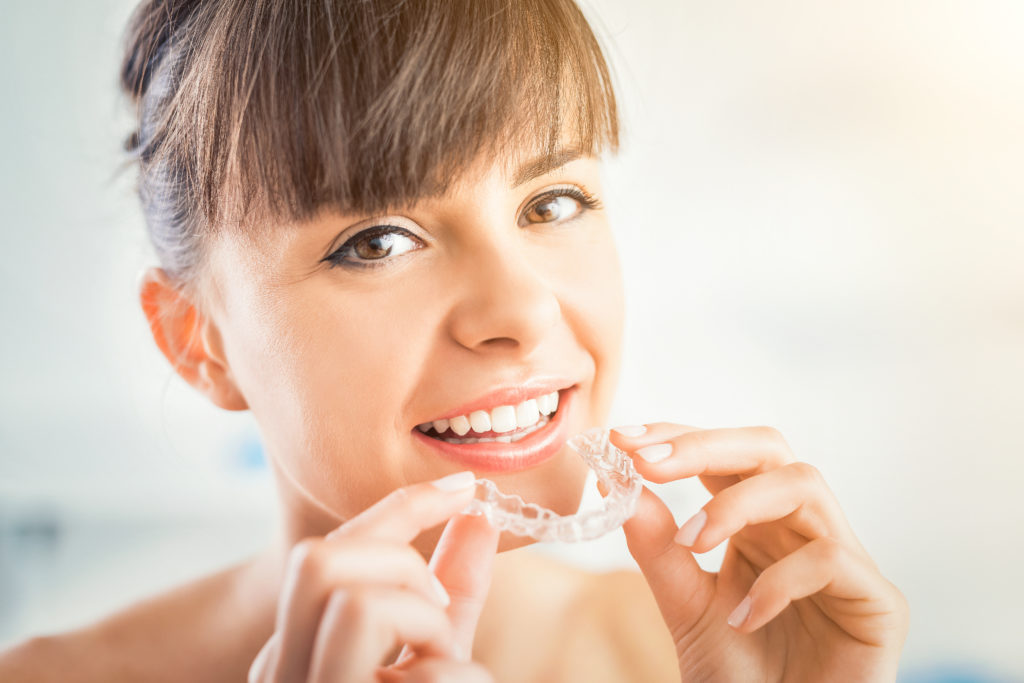
Like Invisalign or Ormco Spark, you wear a series of custom plastic trays that move your teeth in small increments. You’ll switch to a new set of aligners every one to two weeks as your teeth shift. Most patients appreciate that the trays are nearly invisible and removable for meals, brushing, and special events.
Regardless of which option you choose, you’ll visit the office every four to eight weeks so your orthodontist can monitor progress and make adjustments. Once active treatment wraps up, retainers keep your teeth in their new positions for the long haul.
Benefits of Orthodontic Treatment
Straight teeth do more than look good. They’re easier to brush and floss, which lowers your risk of cavities and gum disease. When teeth line up properly, you can clean all surfaces well instead of fighting with overlapping or twisted teeth.
A corrected bite also protects your jaw joints and muscles. Misaligned bites can cause uneven tooth wear, jaw strain, and even headaches. Fixing these issues now prevents costly fixes later.
How Does a Straight Smile Improve Confidence?
Beyond the health benefits, there’s the confidence factor. A smile you love changes how you carry yourself in photos, during conversations, and in everyday moments. Patients often share that they smile more freely after treatment, lean into social situations more comfortably, and feel proud of their reflection. That emotional shift is one of the most meaningful parts of orthodontic care.
What Are the Long-Term Health Benefits of Straight Teeth?
According to the American Association of Orthodontists, properly aligned teeth support better oral health throughout adulthood. Other lasting advantages include:
- Better chewing function and digestion
- Clearer speech
- Reduced risk of tooth injury from protruding teeth
- Long-term investment in oral health at any age
- Less wear and tear on enamel over time
Clear Aligners vs. Braces: Comparing Your Options
Choosing between braces and clear aligners depends on your specific case, lifestyle, and preferences. Here’s how they stack up:
| Feature | Metal Braces | Clear Braces | Invisalign/Spark |
|---|---|---|---|
| Visibility | Most visible | Tooth-colored, less noticeable | Nearly invisible |
| Removability | Fixed in place | Fixed in place | Removable for eating and cleaning |
| Best for | Complex cases, all ages | Moderate to complex cases | Mild to moderate cases |
| Maintenance | Careful brushing around brackets | Same as metal | Remove to brush normally |
| Food restrictions | Yes, avoid hard and sticky foods | Yes, same as metal | None, remove aligners to eat |
Metal Braces
Metal braces remain the most reliable option for complex corrections. They’re durable, effective, and work well for patients of all ages.
Clear Braces
Clear braces use tooth-colored or ceramic brackets that blend with your smile. They treat the same cases as metal braces but with a more subtle appearance.
Invisalign and Ormco Spark
Aligners offer flexibility and discretion. You can remove them for meals, sports, and special occasions. Invisalign for Teens even includes compliance indicators and replacement aligners for active lifestyles. A lot of patients choose clear aligners specifically because the trays fit seamlessly into work, social, and family routines.
Your orthodontist will recommend the best fit based on your bite, your goals, and how you live your life.
How Much Does Orthodontic Treatment Cost?
Several factors influence your investment in orthodontic care. The complexity of your case matters most. Severe crowding or significant bite issues require more time and expertise than minor spacing concerns.
Treatment type also plays a role. Metal braces, clear braces, and Invisalign each have different pricing structures. Your orthodontist will explain all options during your free consult so you can make an informed choice.
The good news? Most families have more financial flexibility than they realize:
- Many dental insurance plans include orthodontic benefits
- FSA and HSA accounts can cover treatment costs
- Flexible monthly payment plans spread the investment over time
- Family discounts may apply when multiple family members need treatment
Finances should never prevent you from getting the smile you want. That’s why Smiles to Love Orthodontics works with every family to create an affordable payment plan that fits your budget, helping you reach the smile of your dreams without financial stress.
Who Is a Good Candidate for Clear Aligners or Braces?
Orthodontic treatment works for patients at every stage of life. Here’s what to know about timing:
Children (age 7+)
The American Association of Orthodontists recommends a first orthodontic check by age seven. At this age, enough permanent teeth have emerged for an orthodontist to spot developing issues like crossbites, crowding, or jaw growth concerns. Early evaluation doesn’t always mean early treatment, but it gives your orthodontist the chance to monitor growth and step in at the right time.
Teens
This is often the ideal window for treatment. Most permanent teeth have arrived, but the jaw is still growing, making teeth easier to move.
Adults
It’s never too late for a straighter smile. Adult treatment is more common than ever, and clear aligners are a popular choice for adults who want orthodontics that fits into professional and social lives without drawing attention.
The main requirement? Healthy teeth and gums. Any cavities or gum issues should be addressed before starting treatment. A visit with the specialist team at Smiles to Love Orthodontics determines the best option for your unique smile.
Frequently Asked Questions
How long does orthodontic treatment take?
Most treatment plans run between 12 and 24 months, though some simpler cases wrap up in as few as six months. Your timeline depends on what needs to be corrected and how your teeth respond to treatment. During your initial consultation, your orthodontist will give you a realistic timeline for your case.
Does getting braces or Invisalign hurt?
You may feel mild soreness for a few days after getting braces or switching to new aligners. This is normal and means treatment is working. Over-the-counter relief and soft foods help during adjustment periods. Most patients find the soreness manageable and short-lived.
Can I play sports or a musical instrument with braces?
Yes. Athletes should wear a mouthguard during contact sports to protect their braces and teeth. Musicians may need a brief adjustment period with certain instruments, but most adapt quickly. Clear aligners can be removed during games or performances if needed.
What foods should I avoid with braces?
Skip hard, crunchy, and sticky foods that can damage brackets and wires. Avoid popcorn, hard candies, ice, and chewy caramels. With clear aligners, you remove them to eat, so there are no food restrictions.
How often do I need check-up visits?
Plan on visits every four to eight weeks during active treatment. These visits are usually quick, around 15 to 30 minutes. Your orthodontist uses these check-ins to monitor progress, make adjustments, and answer any questions.
Do I need to wear a retainer after treatment?
Yes. Retainers are essential for maintaining your results. Most patients wear retainers full-time at first, then switch to nighttime wear. Your orthodontist will create a retention plan tailored to your needs.
Everyone deserves a beautiful smile. If you’re ready to explore clear aligners or braces, let Smiles to Love Orthodontics help you achieve yours at our Marysville and Plain City offices.